The Complete Guide to Reducing Your Utility Bills
The Complete Guide to Reducing Your Utility Bills
Utility bills are one of the largest controllable expenses for households on a fixed income. With the right strategies, you can dramatically reduce what you spend on electricity, heating, and cooling year-round without sacrificing comfort. This guide covers proven techniques from simple no-cost changes to smart investments that pay for themselves.
Important note: Energy prices, rebate programs, and utility policies vary by location and change frequently. Always verify current programs with your utility provider and local government agencies before making decisions.
Quick Start: 3 Actions to Start Saving This Week
If you're short on time, start with these three strategies that deliver the biggest savings with the least effort:
-
Apply for utility assistance programs - LIHEAP and state programs can provide $200-$1,000+ annually in bill assistance for qualifying households. Call 211 or visit benefits.gov to apply.
-
Switch to LED bulbs - Replace the 10 most-used bulbs in your home with LEDs. This simple change saves $75-$100 per year immediately with no behavior changes required.
-
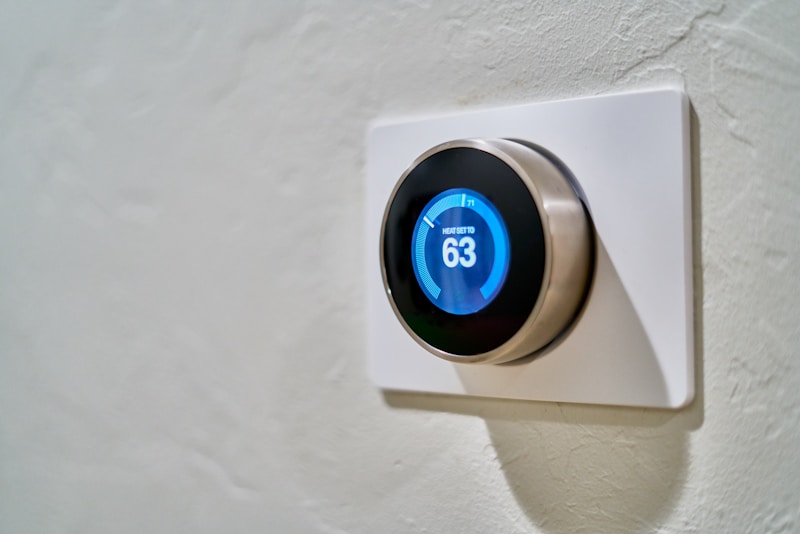
Adjust thermostat settings - Set your thermostat 7-10°F lower when sleeping or away during heating season, or higher during cooling season. This saves approximately 10% on heating and cooling costs.
Master these three basics before diving into the comprehensive strategies below.
Government Assistance Programs
Many government programs exist to help households on fixed incomes afford their utility bills and make energy efficiency improvements.
LIHEAP (Low Income Home Energy Assistance Program)
LIHEAP is a federally funded program that helps eligible households pay heating and cooling bills.
What it covers:
- Heating and cooling bills
- Emergency assistance for shutoff situations
- Weatherization services in some states
Eligibility:
- Income-based (typically 150% of federal poverty level, varies by state)
- Includes households receiving SNAP, SSI, or TANF
- Priority given to seniors, disabled individuals, and families with young children
Typical benefits: $200-$1,000+ depending on household size, income, and fuel type
How to apply:
- Call 211 (United Way's information line)
- Visit benefits.gov and search for LIHEAP
- Contact your state Medicaid office
- Call the Area Agency on Aging at 1-800-677-1116. While you're exploring their programs, ask about free fitness classes and wellness programs available at senior centers that can help you stay active at no cost.
Application periods: Typically October through April for heating assistance, though dates vary by state. Some states offer year-round cooling assistance.
For more information, visit USA.gov and search for "LIHEAP" to find your state's program.
If you qualify for LIHEAP utility assistance, you may also qualify for SNAP food benefits. Our grocery savings guide explains how to maximize SNAP benefits and stretch your food budget by 20%+.
Weatherization Assistance Program (WAP)
WAP provides free professional energy efficiency improvements to qualifying low-income households.
Services included:
- Attic, wall, and floor insulation
- Air sealing (weatherstripping, caulking)
- Furnace repair or replacement
- LED bulb installation
- Water heater improvements
- Refrigerator replacement (if old and inefficient)
Average savings: $300-$500 per year according to the Department of Energy
Eligibility: Similar to LIHEAP - income-based with priority for seniors, disabled individuals, and families with children
How to apply: Contact your state energy office or call 211 for the local weatherization agency
Visit Energy.gov and search "Weatherization Assistance Program" for details on services and eligibility in your state.
State and Utility Company Programs
Many utilities and states offer additional programs beyond federal assistance.
Senior discounts: Some utilities offer 5-10% discounts for seniors on specific days or bill amounts. Availability varies widely.
Free energy audits: Most utilities offer free or low-cost home energy audits that identify savings opportunities.
Free weatherization kits: Many utilities provide free kits including LED bulbs, weatherstripping, outlet gaskets, and low-flow showerheads.
Budget billing: Spread utility costs evenly across the year to avoid seasonal spikes.
Medical baseline programs: Discounted rates for households with essential medical equipment.
Important: Programs vary widely by location. Call your utility provider's customer service and specifically ask: "Do you offer any programs for seniors?" and "What energy efficiency programs do you have available?"
The same negotiation strategies that work for utility bills also apply to cable and internet costs. Our complete guide to cutting cable and streaming expenses shows how to save $1,000+ annually using similar retention department tactics.
Emergency Shutoff Protection
Most states prohibit or restrict utility shutoffs during extreme weather, especially for vulnerable populations including seniors.
If facing shutoff:
- Contact your utility immediately - most have hardship programs
- Call 211 to find emergency assistance
- Contact local charities (Salvation Army, St. Vincent de Paul)
- Call the Area Agency on Aging at 1-800-677-1116
LED Lighting: The Fastest Payback
Switching to LED bulbs is one of the simplest and fastest ways to reduce your electricity bill.
The LED Advantage
Energy use: LEDs use approximately 75% less energy than traditional incandescent bulbs, according to the Department of Energy.
Lifespan: 25,000-50,000 hours (15-25 years at 3 hours per day) compared to 1,000 hours for incandescent bulbs.
Cost savings: $75-$100 per year for an average household replacing 10 high-use bulbs.
Source: Energy.gov LED Lighting page
Which Bulbs to Replace First
Replace bulbs in order of usage hours to maximize savings:
- Kitchen - Highest usage in most homes
- Living room - Long evening usage
- Bathroom - Multiple daily uses
- Outdoor security lights - Often on 24/7 or dusk to dawn
- Bedrooms - Lower priority due to less usage
Choosing the Right LED
Brightness is measured in lumens, not watts:
- 800 lumens = 60W incandescent equivalent
- 1,100 lumens = 75W equivalent
- 1,600 lumens = 100W equivalent
Color temperature affects the light's appearance:
- 2700K-3000K = "Warm white" (resembles traditional incandescent, good for living spaces)
- 3500K-4100K = "Cool white" (bright white for task lighting)
- 5000K-6500K = "Daylight" (very bright white, best for outdoor use)
Dimmable: Check the label if you use dimmer switches. Not all LEDs are dimmable, and non-dimmable bulbs will fail quickly on dimmer circuits.
Cost Comparison
| Bulb Type | Initial Cost | Lifespan (hours) | Energy Cost (5 years)* | Total 5-Year Cost |
|---|---|---|---|---|
| 60W Incandescent | $1 | 1,000 | $36 | $37 (+ 5 replacements) |
| 13W CFL | $3 | 8,000 | $8 | $11 |
| 8.5W LED | $5 | 25,000 | $5 | $10 |
*Assumes 3 hours/day use, $0.13/kWh electricity rate
Where to Find Free or Discounted LEDs
- Utility company programs: Many utilities offer free 4-6 packs of LED bulbs to residential customers
- Weatherization programs: WAP includes LED bulb installation
- Discount retailers: $1-$2 per bulb at dollar stores, Walmart, and IKEA
Smart Thermostat Technology and Manual Strategies
Your thermostat is one of the most powerful tools for controlling energy costs.
The Science of Thermostat Setbacks
Every degree you adjust your thermostat saves approximately 3% on heating and cooling costs, according to EPA and Department of Energy estimates.
Optimal settings:
Heating season:
- 68°F when awake and home
- 62-65°F when sleeping
- 58-60°F when away for 8+ hours
Cooling season:
- 78°F when home
- 82-85°F when away
- Use ceiling fans to feel 4°F cooler (allows higher thermostat setting)
Thermostat Comparison
| Type | Initial Cost | Typical Annual Savings | Best For |
|---|---|---|---|
| Manual | $25 | $0 (requires discipline) | Consistent daily schedules |
| Programmable | $50-$100 | 10% (~$180/year) | Regular routines, set-it-and-forget-it |
| Smart (ENERGY STAR) | $130-$250 | 8-23% (~$145-$415/year) | Variable schedules, remote access |
Source: ENERGY STAR smart thermostat certification data shows average 8% savings ($50/year) for certified models.
Smart Thermostat Features Worth Paying For
Learning capability: Thermostats like Nest and Ecobee learn your patterns and adjust automatically, eliminating programming.
Remote control: Adjust settings via smartphone when plans change unexpectedly.
Geofencing: Detects when you leave or return home and adjusts temperature automatically.
Usage reports: See detailed energy usage and identify additional savings opportunities.
HVAC alerts: Notifies you of maintenance needs before they become expensive repairs.
Free or Discounted Thermostats
Many utilities offer free programmable or smart thermostats to residential customers, especially seniors. Call your utility's energy efficiency department before purchasing one yourself. Installation is often included.
Manual Thermostat Best Practices
If you don't have a programmable or smart thermostat:
- Set phone alarms as reminders to adjust temperature morning and evening
- Place sticky notes on the door to remind yourself when leaving
- Keep a visible thermometer to monitor actual temperature
- Adjust before bed and upon waking consistently
Stop Energy Leaks: Sealing and Weatherization
Air leaks waste 15-25% of your heating and cooling energy. Sealing those leaks is one of the highest-return investments you can make.
Why Air Sealing Matters
According to ENERGY STAR, air sealing combined with attic insulation can reduce heating and cooling costs by 15% (11% of total energy bills).
Where air leaks occur:
- Around windows and doors
- Electrical outlets on exterior walls
- Attic hatches
- Where pipes and wires enter the home
- Baseboards and crown molding
DIY Air Sealing (Under $100)
These projects are ranked by return on investment:
1. Door sweeps ($5-15 each) - Easy DIY Install on the bottom of all exterior doors. Measure your door width, purchase the correct size sweep, and attach with included screws. Blocks significant drafts immediately.
2. Weatherstripping ($10-20) - Easy DIY Apply self-adhesive foam weatherstripping around window and door frames where they meet the sash or door. Clean surface first, peel backing, and press firmly in place.
3. Outlet gaskets ($5 for 12-pack) - Easy DIY These foam gaskets go behind outlet and switch covers on exterior walls. Turn off power at breaker, remove cover plate, place gasket, and replace cover.
4. Window film ($15-30) - Easy DIY Clear plastic film applied to windows adds insulation and reduces drafts. Follow package directions carefully - you'll need a hair dryer to shrink the film smooth.
5. Caulk ($3-5 per tube) - Moderate DIY Seal gaps around windows, pipes, and wires. Use paintable acrylic latex caulk for most applications. Requires caulk gun and steady hand.
6. Attic hatch insulation ($20-40) - Moderate DIY Insulated covers for attic access openings stop major heat loss. Measure your attic opening and install per manufacturer instructions.
Can't do this yourself? Contact the Area Agency on Aging at 1-800-677-1116 for volunteer programs, or apply for the Weatherization Assistance Program for free professional installation.
Free Weatherization Resources
Utility company weatherization kits: Call your utility provider and ask if they offer free weatherization kits. Many utilities will mail you supplies or offer free pickup.
Weatherization Assistance Program (WAP): Provides free professional weatherization including all materials and labor for qualifying households.
Non-profit programs: Habitat for Humanity and local community action agencies sometimes offer weatherization help for seniors.
When to Call a Professional
Consider professional help if you have:
- Attic insulation below recommended levels (more than an inch of space above existing insulation)
- Visible gaps in walls or foundation
- Ice dams forming on your roof (indicates heat loss)
- Persistent condensation on windows (suggests humidity issues and air leaks)
Insulation: Understanding ROI and Options
Proper insulation is one of the best long-term investments in energy efficiency.
How Insulation Saves Money
Insulation reduces heat transfer between your home's interior and the outside. According to the EPA, proper insulation plus air sealing saves approximately 15% on heating and cooling costs.
Priority areas: Attic (highest priority), walls, basement or crawl space.
R-Value Basics
R-value measures insulation effectiveness - higher numbers mean better insulation. The Department of Energy recommends different R-values based on your climate zone:
| Climate Zone | Attic R-Value | Wall R-Value | Floor R-Value |
|---|---|---|---|
| Southern (hot climates) | R-30 to R-49 | R-13 to R-15 | R-13 |
| Moderate | R-30 to R-60 | R-13 to R-21 | R-25 |
| Northern (cold climates) | R-49 to R-60 | R-13 to R-21 | R-25 to R-30 |
Visit Energy.gov and search "recommended insulation levels" to find your climate zone and recommended R-values.
Types of Insulation
| Type | R-Value per Inch | Best For | Pros | Cons |
|---|---|---|---|---|
| Fiberglass batts | 3.1-3.4 | Attics, walls (DIY) | Inexpensive, DIY-friendly | Can sag over time, moisture issues |
| Blown-in cellulose | 3.2-3.8 | Attics, existing walls | Fills gaps well, eco-friendly | Settles over time, requires equipment |
| Spray foam | 6.0-7.0 | Rim joists, air sealing | Superior air sealing, highest R-value | Expensive, requires professional |
| Rigid foam boards | 4.0-6.5 | Basement walls, exterior | Moisture-resistant | More expensive per sq ft |
Cost and Payback Analysis
| Location | Average Cost | Annual Savings | Payback Period |
|---|---|---|---|
| Attic (DIY) | $1,500-$3,000 | $200-$375 | 4-8 years |
| Walls (professional) | $3,000-$8,000 | $500-$1,000 | 5-8 years |
| Basement/crawl (DIY) | $1,000-$3,000 | $150-$300 | 6-10 years |
Note: Costs vary by region, home size, and existing insulation levels.
Funding Insulation Upgrades
Weatherization Assistance Program (WAP): Free professional insulation for qualifying low-income households.
Utility rebates: Many utilities offer $200-$500+ rebates for insulation improvements.
State programs: Search "[Your State] energy efficiency rebates" for state-specific incentives.
Federal tax credits: Federal energy efficiency tax credits (Section 25C) expired December 31, 2025. Check IRS.gov for current status if installing equipment after 2025.
DIY vs Professional
DIY-friendly: Attic insulation using fiberglass batts or blown-in cellulose (with rented equipment from home improvement stores).
Requires professional: Wall insulation, spray foam application, hard-to-reach areas.
Free assessment: Schedule a free energy audit through your utility to identify priorities before spending money.
Windows: When to Replace, When to Retrofit
Windows can account for 25-30% of your home's heating and cooling energy use.
Understanding Window Efficiency
Old single-pane windows: R-value of approximately 1 (very poor insulation)
Modern ENERGY STAR windows: R-value of 3-5+ depending on features
According to ENERGY STAR, replacing single-pane windows can save up to 13% on household energy bills.
Signs You Need New Windows
- Visible gaps or drafts around frames
- Single-pane glass
- Condensation between panes (seal failure)
- Difficulty opening or closing
- Rotted or damaged frames
- High heating/cooling bills despite other efficiency improvements
Energy Savings Potential
Average savings: $125-$465 per year depending on your climate and the windows being replaced.
Source: ENERGY STAR residential windows page, Energy.gov window guide
Full Replacement Costs and Payback
| Window Type | Cost per Window (installed) | Typical Payback Period |
|---|---|---|
| Double-pane, low-E coating | $400-$800 | 10-20 years |
| Triple-pane, low-E, gas-filled | $600-$1,200 | 15-30 years |
Important: Full window replacement has a long payback period. Consider lower-cost alternatives first unless windows are damaged and need replacement anyway.
Lower-Cost Alternatives
Storm windows ($150-$350 installed): Add an extra layer of protection over existing windows. Payback period of 2.4-8.5 years according to Pacific Northwest National Laboratory research.
Window film ($5-10 per window, DIY): Reduces heat gain and loss by 10-15%. Easy to apply yourself.
Cellular/honeycomb shades ($50-$200 per window): When closed, these provide R-value of 3-5, reducing heat loss by 10-25%.
Heavy thermal curtains ($30-$100 per window): Block 10-25% of heat loss when closed. Close at night during winter, close during day in summer.
ENERGY STAR Features to Look For
When replacement is necessary:
Low-E coating: Reflects infrared heat while allowing light through, reduces UV damage to furniture.
Gas fills (argon or krypton): Better insulation than air between panes.
Multiple panes: 2-3 panes with insulating air spaces.
Warm edge spacers: Reduce condensation and improve edge comfort.
Proper installation: Critical for performance - hire certified installers.
Rebates and Incentives
Utility rebates: $50-$150 per window typical. Check your utility's website.
Federal tax credits: Expired December 31, 2025. Check IRS.gov for current status.
State and local incentives: Visit DSIRE (dsireusa.org) to search for current programs in your area.
Major Appliances: Which Upgrades Matter Most
ENERGY STAR certified appliances use 10-50% less energy than standard models. Over the 40+ years that ENERGY STAR has existed, the program has saved American households over $500 billion on energy bills.
Average household savings with ENERGY STAR appliances: $450 per year.
Source: ENERGY STAR impacts page
Appliance Priority Ranking (By Savings Potential)
Priority 1: HVAC Equipment
Central AC: ENERGY STAR certified models are 15% more efficient, saving $70-$200 per year.
Heat pump: 50% more efficient than electric resistance heating, saving $300-$900 per year in cold climates.
Furnace: ENERGY STAR certified models are 15% more efficient, saving $50-$150 per year.
Note: HVAC upgrades have the highest cost ($3,000-$8,000+) but also deliver the highest annual savings.
Priority 2: Water Heater
ENERGY STAR heat pump water heater: Uses 70% less energy than standard electric models, saving $300-$550 per year.
ENERGY STAR gas water heater: Approximately 10% more efficient, saving $30-$50 per year.
Typical cost: $1,200-$3,500 installed
Payback: 3-5 years for heat pump models
Priority 3: Refrigerator
Refrigerators run 24/7, accounting for 10-15% of home energy use.
ENERGY STAR models: Use 15% less energy, saving $35-$70 per year.
If your refrigerator is 15+ years old: Replacement can save even more, as older models use 2-3 times more energy.
Typical cost: $600-$2,000
Payback: 10-15 years (but worthwhile when replacing at end of life anyway)
Priority 4: Clothes Washer
ENERGY STAR washers: Use 25% less energy and 33% less water, saving approximately $45 per year (energy plus water).
Front-load models: Typically most efficient.
Typical cost: $500-$1,200
Payback: 8-12 years
Priority 5: Dishwasher
ENERGY STAR dishwashers: Use 12% less energy and 30% less water than standard models, saving approximately $35 per year (energy plus water).
Typical cost: $400-$900
Payback: 10-15 years
Priority 6: Clothes Dryer
ENERGY STAR dryers: Use 20% less energy, saving $20-$35 per year.
Best alternative: Air dry when possible - completely free!
Typical cost: $600-$1,200
Payback: 15-20 years
When to Replace vs Repair
Replace if: Appliance is 15+ years old AND needs a major repair costing more than 50% of replacement cost.
Repair if: Appliance is under 10 years old OR repair is minor (under $200).
Grey area (10-15 years old): Consider energy savings potential versus remaining lifespan.
Maximizing Existing Appliances
If replacement isn't an option right now:
Refrigerator:
- Clean coils twice per year
- Check door seals for leaks
- Keep reasonably full but not overpacked
- Set temperature to 35-38°F (freezer at 0°F)
Water heater:
- Set to 120°F
- Insulate with blanket if older than 5 years
- Drain sediment annually
Clothes washer:
- Use cold water (90% of washer energy goes to heating water)
- Run only full loads
Dishwasher:
- Run only when full
- Use air-dry setting instead of heated dry
Dryer:
- Clean lint filter every load
- Clean vent duct annually
- Use moisture sensor if available
Rebates and Discounts
Utility rebates: $25-$500+ per appliance depending on type. Check your utility's website or search "[Your utility name] appliance rebates."
Retailer sales: Best appliance sales typically occur Memorial Day, Labor Day, and Black Friday.
State programs: Many states offer additional appliance rebates. Visit the ENERGY STAR rebate finder at energystar.gov.
Federal tax credits: Expired December 31, 2025. Check IRS.gov for current status.
Hot Water: Heating It Less and Using It Smarter
Water heating accounts for 14-18% of utility bills - typically $400-$600 per year for the average household. It's the second largest energy expense after heating and cooling.
Low-Cost Adjustments
Lower temperature setting (Free, saves $30-$60/year)
Most water heaters come set to 140°F from the factory. Lower yours to 120°F:
- Reduces scalding risk
- Minimizes mineral buildup
- Saves energy without affecting most uses
Exception: If you have a dishwasher without an internal booster heater, you may need 130-140°F. Check your dishwasher manual.
Water heater insulation blanket ($20-30, saves $20-45/year)
If your water heater was made before 2004, wrap it with an insulation blanket (R-8 to R-10):
- Available at hardware stores
- DIY installation takes 1-2 hours
- Payback period: 1-2 years
- Don't cover: Top, bottom, thermostat, or warning label
Pipe insulation ($10-20, saves $10-20/year)
Insulate the first 6 feet of hot water pipes leaving the tank:
- Use pre-slit foam pipe insulation
- Available at hardware stores
- Reduces heat loss in transit
Behavior Changes (Free, saves $100+/year)
Shorter showers: Reducing shower time by 2 minutes saves approximately $30 per year per person.
Low-flow showerheads ($15-40): Install 2.0 GPM or less models to save $70-$100 per year.
Cold water laundry: 90% of washing machine energy goes to heating water. Use cold water for all but heavily soiled loads.
Full loads only: Run dishwasher and washing machine only when full.
Fix leaks promptly: A dripping hot water faucet can waste 3,000+ gallons per year.
Long-Term Upgrades
Tankless water heater: 24-34% more efficient than conventional storage tank models. Cost: $1,000-$3,500 installed. Payback: 8-15 years.
Heat pump water heater: 70% more efficient than standard electric models. Cost: $1,200-$3,500 installed. Payback: 3-5 years (best ROI of long-term upgrades).
Solar water heater: 50-80% reduction in water heating costs. Cost: $3,000-$7,000 installed. Payback: 10-20 years (highly dependent on climate and local utility rates).
Summer Cooling: Air Conditioning and Alternatives
Central air conditioning accounts for 12-15% of annual electricity use in homes that have it - up to 30% in hot climates like the Southwest and Southeast.
AC Optimization (Low-Cost/Free)
Thermostat settings (saves 3% per degree)
- Set to 78°F when home
- 82-85°F when away
- Use ceiling fans to feel 4°F cooler (allows 82°F to feel like 78°F)
- Close blinds on sun-facing windows during hottest part of day
Regular maintenance ($100-150/year professional service, saves $100-$200/year)
- Replace or clean filter monthly during cooling season (every 3 months minimum)
- Annual professional tune-up: clean coils, check refrigerant, test efficiency
- Keep outdoor unit clear of debris and vegetation (maintain 2-foot clearance)
Strategic ventilation (free)
- Open windows at night when outdoor temperature drops below 70°F
- Use whole-house fan or window fans to exhaust hot air at night
- Close windows and blinds during day to trap cool air
Dehumidification in Humid Climates
Humidity makes air feel warmer. At 75°F with 80% humidity, it feels like 80°F.
How dehumidifiers save money:
- Dehumidifier uses 300-500 watts
- Air conditioner uses 2,000-5,000 watts
- Removing humidity allows higher thermostat setting while maintaining comfort
When it makes sense:
- Humidity consistently above 60%
- Air conditioner runs constantly even when temperature is reasonable
- High electricity rates
- Hot, humid climates (Southeast, Gulf Coast)
ENERGY STAR dehumidifiers: 20% more efficient than standard models.
Savings potential: $50-$150 per year in hot, humid climates.
Source: ENERGY STAR dehumidifier page
Passive Cooling Strategies
Ceiling fans ($50-$150): Use 90% less energy than air conditioning. Fans cool people, not rooms, so turn off when leaving the room.
- Set counter-clockwise in summer to push air down
- Use in occupied rooms only
Attic fans ($200-$500 installed): Reduce attic temperature by 50°F, decreasing heat transfer to living space.
Window treatments: Cellular shades block 40-60% of solar heat gain before it enters your home.
Awnings and shade screens: Block 65-75% of solar heat at the window.
When to Replace AC Unit
Consider replacement if your air conditioner is:
15+ years old: Newer units are 30-40% more efficient.
SEER rating 8-10: New ENERGY STAR minimum is SEER 15+.
Savings potential: Upgrading from SEER 10 to SEER 15 saves $300-$500 per year in hot climates.
Typical cost: $3,500-$7,500 installed for central AC.
Payback: 7-15 years.
Rebates: Check utility and state programs - $300-$1,000+ common for ENERGY STAR units.
Additional Energy Savers
Phantom Power and Standby Power
Devices in standby mode consume 5-10% of household electricity - approximately $100-$200 per year.
Solutions:
- Smart power strips ($15-35): Automatically cut power to peripherals when main device turns off
- Unplug chargers when not in use
- Enable power management on computers
- Priority targets: Entertainment centers, computer setups, kitchen appliances with clocks
Cooking Efficiency
Use lids on pots: Water boils 3 times faster using 66% less energy.
Match burner to pot size: A 6-inch pot on an 8-inch burner wastes 40% of the heat.
Microwave when possible: Uses 80% less energy than conventional oven for small meals.
Toaster oven: Uses 50% less energy than full oven for small dishes.
Pressure cooker: Cooks food using 70% less energy than conventional methods.
Induction cooktops: 84% efficient vs 71% for gas, 65% for electric coil.
Laundry Efficiency
Cold water washing: Saves $60-$100 per year (90% of washer energy heats water).
Full loads only: Each load costs $0.50-$1.00 in energy.
Air dry: Saves $85-$150 per year compared to dryer use.
- Outdoor clothesline (free)
- Indoor drying rack ($15-40)
- Retractable indoor line ($10-25)
Clean dryer lint filter: Every load - improves efficiency by 30%.
Moisture sensor dryers: Stop when clothes are dry rather than running on a timer.
Seasonal Adjustments
Ceiling fans - reverse direction:
- Summer (counter-clockwise): Pushes air down, creates cooling breeze
- Winter (clockwise on low): Pulls cool air up, pushes warm air down from ceiling
Window coverings:
- Summer: Close during day, open at night
- Winter: Open south-facing windows during day for solar gain, close all at night
Faucet aerators ($3-8): Reduce water flow by 30%, saving hot water heating costs.
Free Energy Audits: Get a Professional Assessment
A professional energy audit identifies exactly where your home is losing energy and money.
What Is an Energy Audit?
A professional assessment of your home's energy use that provides:
- Identification of energy losses
- Prioritized list of improvements
- Estimated costs and savings for each recommendation
Types of Audits
Walk-through audit (Free to $100)
- Visual inspection
- Basic recommendations
- 1-2 hours
- Often free from utility companies
Comprehensive audit ($300-$500, often free for qualifying households)
- Blower door test to measure air leakage
- Thermal imaging camera to identify insulation gaps
- Combustion safety testing
- Detailed report with ROI calculations
- 2-4 hours
How to Get a Free Audit
-
Call your utility company: Most offer free or discounted audits for residential customers, especially seniors. Ask specifically about "home energy audits" or "energy assessments."
-
State energy office: Many states offer free audits for income-qualifying households.
-
Weatherization Assistance Program: Provides free comprehensive audit if you qualify based on income.
-
Local government programs: Many cities and counties have audit programs.
What the Auditor Will Check
- Insulation levels in attic, walls, and floors
- Air leakage around doors, windows, and outlets
- HVAC efficiency and maintenance status
- Water heater efficiency
- Lighting throughout home
- Major appliances
- Thermostat settings and programming
After the Audit
You'll receive prioritized recommendations ranked by:
- Savings potential
- Payback period
- Implementation difficulty
Many utility audits include free items like LED bulbs, weatherstripping, outlet gaskets, and low-flow showerheads.
Use the report to make informed decisions about upgrades and to get accurate bids from contractors.
State and Utility Rebate Programs: Finding Money for Upgrades
Rebates can cover 30-70% of energy efficiency upgrade costs, but programs vary widely and change frequently.
Why Rebates Vary
- Each state has different energy policies and funding
- Utilities set programs based on local energy costs and goals
- Programs change based on funding availability
- Federal programs have expired or been extended at different times
How to Find Current Rebates
Step 1: Check your utility's website
- Navigate to "Energy Efficiency," "Rebates," or "Save Energy" section
- Look for residential programs
- Note application deadlines and requirements
Step 2: Visit DSIRE (Database of State Incentives for Renewables & Efficiency)
- Website: dsireusa.org
- Search by your state and zip code
- Comprehensive database updated regularly
- Includes state, local, and utility programs
Step 3: Check your state energy office
- Search "[Your State] energy office rebates"
- Many states offer programs beyond utility rebates
Step 4: Contact Area Agency on Aging
- Call 1-800-677-1116 (Eldercare Locator)
- Some areas have senior-specific energy assistance programs
Common Rebate Amounts (Examples - Verify Locally)
| Upgrade | Typical Utility Rebate | Typical State Rebate |
|---|---|---|
| LED bulbs | Free 4-pack to $25 | Usually none |
| Smart thermostat | $25-$100 | $0-$50 |
| Insulation | $200-$500 | $0-$500 |
| Central AC | $300-$800 | $100-$500 |
| Heat pump | $500-$1,500 | $500-$2,000 |
| Heat pump water heater | $300-$750 | $200-$500 |
| Weatherization (WAP) | N/A | 100% free if qualified |
Important: These are examples only. Programs vary widely by location and change frequently. Always verify current rebates before making purchase decisions.
Federal Tax Credits Status
Federal energy efficiency tax credits (Section 25C) expired December 31, 2025. Some renewable energy credits (solar, geothermal) were extended through 2034 with reducing percentages.
Action: Check IRS.gov and search for "Energy Efficient Home Improvement Credit" for current status if installing equipment after 2025.
Source: IRS Energy Efficient Home Improvement Credit page
Application Tips
Apply before purchase or installation: Many programs require pre-approval.
Save all receipts and documentation: ENERGY STAR certificates, contractor invoices, model numbers, before/after photos.
Read requirements carefully: Some programs require certified installers, specific brands, or minimum energy ratings.
Stack rebates when possible: Utility + state + federal (if available) can cover 30-70% of costs.
Be patient: Rebate processing can take 6-12 weeks.
FAQ for Seniors
Q1: I'm on a fixed income and can't afford upfront costs for upgrades. What can I do?
Start with zero-cost and low-cost strategies:
- Apply for LIHEAP and Weatherization Assistance Program (free assistance for qualifying households)
- Request free weatherization kit from your utility (often includes LED bulbs, weatherstripping, and more)
- Adjust thermostat settings (free, saves immediately)
- Replace high-use bulbs with LEDs from dollar stores ($1-2 each)
- Request free energy audit from utility to identify priorities
Many utilities also offer on-bill financing for efficiency upgrades - you pay back through your utility bill over time with no credit check required.
Q2: I rent my home. Can I still reduce utility bills?
Yes, most strategies work for renters:
- All government assistance programs (LIHEAP, etc.) - these pay your utility bills regardless of whether you rent or own
- Thermostat adjustments
- LED bulbs (take them with you when you move)
- Weatherstripping and door sweeps (removable)
- Window film (removable)
- All behavior changes (cold water laundry, shorter showers, etc.)
Ask your landlord about weatherization - improvements benefit both of you. Some states require landlords to provide basic weatherization.
Q3: Are smart thermostats hard to use for someone not tech-savvy?
Modern smart thermostats have simple interfaces:
- Initial setup may need help from family member or installer
- After setup, many learn your patterns automatically - no programming needed
- Can still be controlled manually like a traditional thermostat if you prefer
- Remote control via smartphone is optional - you can ignore the app
- Alternative: Programmable thermostats are simpler and still save 10%
Many utilities offer free installation with the unit. Ask when calling about their thermostat programs.
Q4: How do I know if my utility company offers senior programs?
Call customer service directly and ask:
Script: "I'm a senior citizen and I'd like to know if you offer any discounts or programs for seniors, including energy efficiency programs."
Specifically ask about:
- Senior discounts on bills
- Free energy audits
- Free weatherization kits
- Budget billing options
- Payment assistance programs
Best time to call: Mid-morning on weekdays for shorter wait times.
Have ready: Your account number.
Request to speak with the "energy efficiency" or "customer assistance" department if the first representative isn't sure.
Q5: Will replacing windows really save enough to justify the cost?
Usually not if energy savings is the only reason:
Full window replacement has a 10-30 year payback period. Replace windows when they're damaged or non-functional, and energy savings are a bonus.
Try lower-cost alternatives first:
- Storm windows (3-8 year payback)
- Window film
- Thermal curtains or cellular shades
Exception: If you qualify for the Weatherization Assistance Program, they may replace windows for free.
Q6: My home is old. Is it too late to make it energy efficient?
Old homes often have the most savings potential:
- Older homes typically have the biggest air leaks and poorest insulation
- Greater energy waste means greater savings from improvements
- Weatherization programs prioritize older homes
- Every improvement helps, even if you can't do everything
Start with an energy audit to identify the priorities specific to your home. Focus on air sealing first - highest return on investment in old homes.
Q7: How do I avoid contractor scams when getting energy efficiency work done?
Follow these safety steps:
- Use contractors from utility's approved list (if available)
- Get 3-4 written quotes with detailed scope of work
- Verify licensing and insurance - call your state licensing board to confirm
- Check references - ask for 3 recent customers and call them
- Never pay in full upfront - typical is 30% down, 70% on completion
- Avoid door-to-door contractors who create urgency
- If it sounds too good to be true, it probably is
- Contact Area Agency on Aging (1-800-677-1116) for trusted contractor referrals
Q8: Do LED bulbs really last 20+ years? I've had some burn out quickly.
Lifespan depends on several factors:
Quality matters: Cheap off-brand LEDs may fail early. Buy from reputable brands or stores.
Usage affects lifespan: 25,000-hour rating equals 20 years at 3 hours/day, but only 3 years at 24 hours/day.
Enclosed fixtures: Some LEDs overheat in enclosed fixtures. Check label for "suitable for enclosed fixtures."
Dimmer compatibility: Non-dimmable bulbs on dimmer circuits fail quickly. Always use dimmable LEDs with dimmer switches.
Power surges: Consider LED-compatible surge protectors for expensive bulbs.
Warranty: Many quality LEDs have 3-5 year warranties. Save receipts for returns.
Q9: What if I can't physically do some of these projects myself?
Many resources offer help:
- Weatherization Assistance Program: Professional installation included, 100% free for qualified households
- Utility programs: Many include installation with equipment
- Area Agency on Aging: Call 1-800-677-1116 to connect with volunteer programs
- Faith-based organizations: Some have senior assistance programs
- Family members: Ask for help with simple tasks during visits
- Handyman services: Many communities have low-cost handyman programs for seniors
Focus on no-install solutions: Thermostat adjustments, behavior changes, calling utility for free programs that include installation.
Q10: I have medical equipment that runs 24/7. Can I still save on utilities?
Yes, with extra considerations:
Medical baseline programs: Many utilities offer discounted rates for customers with essential medical equipment. Call your utility and ask about "medical baseline" or "medical certificate" programs. You'll need a letter from your doctor.
Shutoff protection: Most states prohibit shutoffs for households with medical necessity. Register with your utility.
Focus on other areas: Heating, cooling, lighting, water heating, and laundry while maintaining power to medical equipment areas.
Don't compromise safety: Never unplug or reduce power to medical equipment to save money.
For more on managing healthcare costs including wearable monitoring devices and telehealth, see our healthcare technology savings guide.
Q11: I'm overwhelmed by all these options. What's the best first step?
Start simple with this 5-step plan:
- Call 211 and ask about utility assistance programs (LIHEAP, weatherization)
- Call your utility and request a free energy audit
- While waiting for the audit, make 3 free changes: Adjust thermostat, take shorter showers, turn off lights when leaving rooms
- Use audit results to prioritize next steps
- Focus on free and low-cost improvements first
Don't try to do everything at once. Every small improvement adds up over time.
Q12: How can I tell if a rebate program is legitimate or a scam?
Verify through official channels:
- Call your utility company directly using the number from your bill, not from a flyer or email
- Visit utility's official website - type the URL manually, don't click links
- Legitimate programs never ask for payment to receive a rebate
- Legitimate programs don't require you to use a specific contractor
- Check against DSIRE database at dsireusa.org
- When in doubt, call your state attorney general's consumer protection office
Red flags: Pressure to act immediately, requests for bank account information before approval, door-to-door representatives demanding immediate signatures.
Putting It All Together: Your Action Plan
Here's a practical, step-by-step approach to start saving immediately and build toward long-term efficiency.
This Month (Free and Under $50)
☐ Call 211 or visit benefits.gov to apply for LIHEAP if you qualify
☐ Request free energy audit from your utility company
☐ Call utility to ask about senior discounts and free weatherization kits
☐ Adjust thermostat: 68°F when home (heating season) / 78°F when home (cooling season)
☐ Replace 5-10 most-used bulbs with LEDs ($10-20)
☐ Take shorter showers (save $30+/year per person)
☐ Switch to cold water laundry (save $60-$100/year)
☐ Lower water heater temperature to 120°F (save $30-$60/year)
Estimated monthly savings: $40-$80 ($480-$960/year)
Next 3 Months ($50-$200 Investment)
☐ Complete energy audit and review recommendations
☐ Install weatherstripping on doors and windows ($20-40)
☐ Add door sweeps to exterior doors ($10-30)
☐ Install outlet gaskets on exterior walls ($5)
☐ Wrap water heater with insulation blanket if manufactured before 2004 ($25)
☐ Replace remaining high-use bulbs with LEDs ($20-40)
☐ Install low-flow showerheads ($30-80)
Additional monthly savings: $30-$60 ($360-$720/year)
Long-Term (Prioritize Based on Audit Results)
☐ Apply for Weatherization Assistance Program if eligible (free!)
☐ Research utility and state rebates for any planned upgrades
☐ Add attic insulation (DIY $1,500-$3,000 or free through WAP)
☐ Consider programmable or smart thermostat ($50-$250, may be free from utility)
☐ Plan appliance replacements: When old appliances break, replace with ENERGY STAR models
☐ If AC or furnace is 15+ years old, get quotes for ENERGY STAR replacement with rebates
Additional savings potential: $300-$1,000+/year
Total Potential Savings: $840-$1,680/year from the first 4 months of easy changes, with an additional $300-$1,000+/year possible from long-term improvements.
Remember: Start with free and low-cost changes first. Every small improvement adds up over time. You don't need to do everything at once - focus on what works for your situation and budget.
Energy prices and programs change, but the fundamentals of energy efficiency remain constant: seal air leaks, add insulation, upgrade to efficient equipment when old equipment fails, and develop energy-conscious habits. These strategies will serve you well for decades to come.
Tags:
Want More Savings Strategies Like This?
Download our free Senior Savings Starter Kit with 7 proven strategies to cut your monthly expenses by $200+.
